
01
Discreet
The transparent material helps keep your treatment discreet.
ABOUT INVISALIGN
Individual attention to your teeth, with consideration for your everyday life.
We offer orthodontic treatment for a wide range of ages, from elementary school children to older adults. Even if you have been told elsewhere that your case would be difficult to treat with clear aligners, please come and talk to us.
Drawing on the experience and skills we have developed, we carefully assess tooth alignment, the bite, and the condition of the teeth and gums, and give complex cases our full attention. Rather than limiting treatment possibilities on the basis of age alone, we propose options suited to each individual.
Depending on your oral condition, we may recommend combining clear aligners with other orthodontic appliances or choosing a different treatment method.
Treatment uses a sequence of custom-made clear aligners (Invisalign) to straighten your teeth. We consider your wishes and oral condition when planning treatment.

01
The transparent material helps keep your treatment discreet.
02
You can remove the aligners yourself for meals and brushing.
03
We use simulations to explain your treatment plan.
VISITS THAT FIT YOUR LIFE
If you prefer, we can discuss scheduling visits approximately once every three months. If you live far away or have a busy work or school schedule, please let us know your preferences.
Between visits, we use Virtual Care to review your progress remotely.
Depending on your oral condition, treatment and progress, you may need more frequent visits or in-clinic procedures. Your treating dentist will assess suitability and advise you on visit intervals.
INVISALIGN VIRTUAL CARE
Remote progress monitoring with Virtual Care
Our clinic uses Invisalign Virtual Care. By sending photos of your mouth through the My Invisalign patient app, you allow your treating dentist to remotely review tooth alignment and aligner fit and provide advice as needed.
Patients who live far away or have busy work or school schedules can combine remote progress reviews with in-clinic visits.
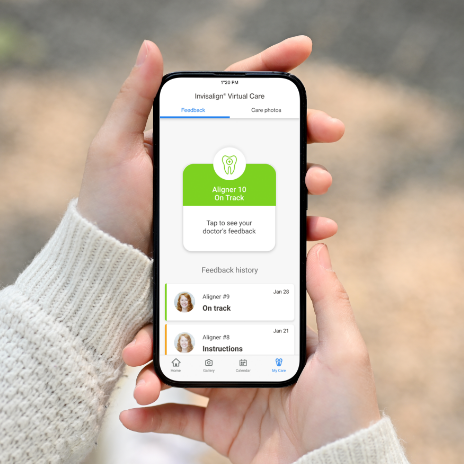
Follow the clinic's instructions to photograph your mouth and send the images through the app.

Your dentist reviews the photos you send to check treatment progress and the condition of your appliance.
View feedback from your treating dentist through the app.
The clinic must provide instructions and register you before you can use this service. It is used alongside in-clinic examinations and procedures. Your dentist will advise you on eligibility, when to send photos, and how often to attend the clinic.
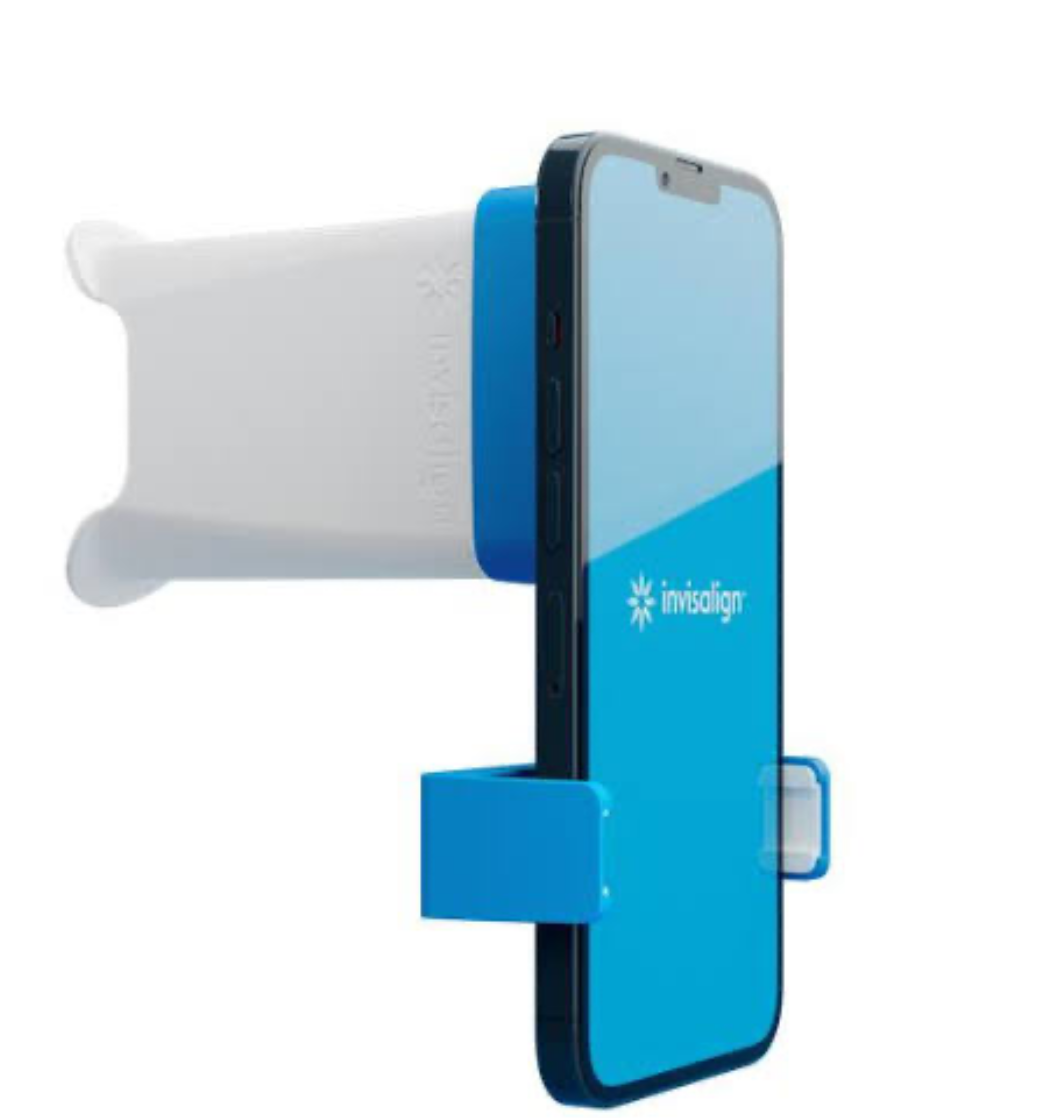
¥6,600 (tax included)
This smartphone accessory helps you take photos that show how your aligners fit, supporting AI-assisted assessment and your doctor’s progress reviews through Virtual Care.
We recommend Invisalign Lens for patients who live far away or are studying abroad and find regular visits difficult. Your doctor will explain use, compatible smartphones, and the timing of visits and photos.
You need to wear the aligners for sufficient time each day and manage them yourself. Depending on your tooth alignment, auxiliary appliances or other treatment methods may be used. We will explain suitability and the expected treatment period after an examination and tests.
A CLOSER LOOK
Understanding daily use and precautions, as well as the benefits, helps us choose treatment that suits you.
The aligners use a thin, clear material. Visibility and how they feel vary from person to person.
Remove them for meals and brushing. Keep track of time out and follow your doctor’s prescribed wear time.
Clean your aligners as well as brushing your teeth. Maintain oral and aligner hygiene throughout treatment.
Depending on tooth movement and bite, treatment may include attachments, elastics or partial fixed braces. We explain the appliances and duration based on your examination and treatment plan.
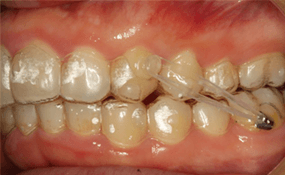
Elastics help adjust how the upper and lower teeth fit together. They attach to designated points on the aligners or teeth to apply force in the required direction. Your doctor will explain where to attach them and how long to wear them.
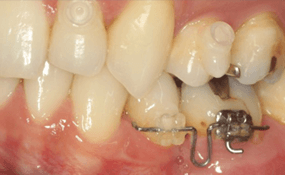
This is partial fixed-appliance treatment using brackets and a wire on selected teeth. Using it mainly on premolars and molars can help reduce its visibility from the front.
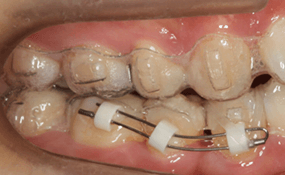
These brackets have a built-in mechanism to hold the wire. We consider appearance during treatment, including choosing smaller brackets where appropriate.
YOUR FIRST STEP
Tell us about your concerns about your teeth or orthodontic treatment.
LANGUAGE & RESERVATIONS
We provide care in Japanese and English. For consultations in Chinese, Korean or other languages, please bring an interpreter.
Some pages, including treatment cases and blog articles, are currently available in Japanese only.